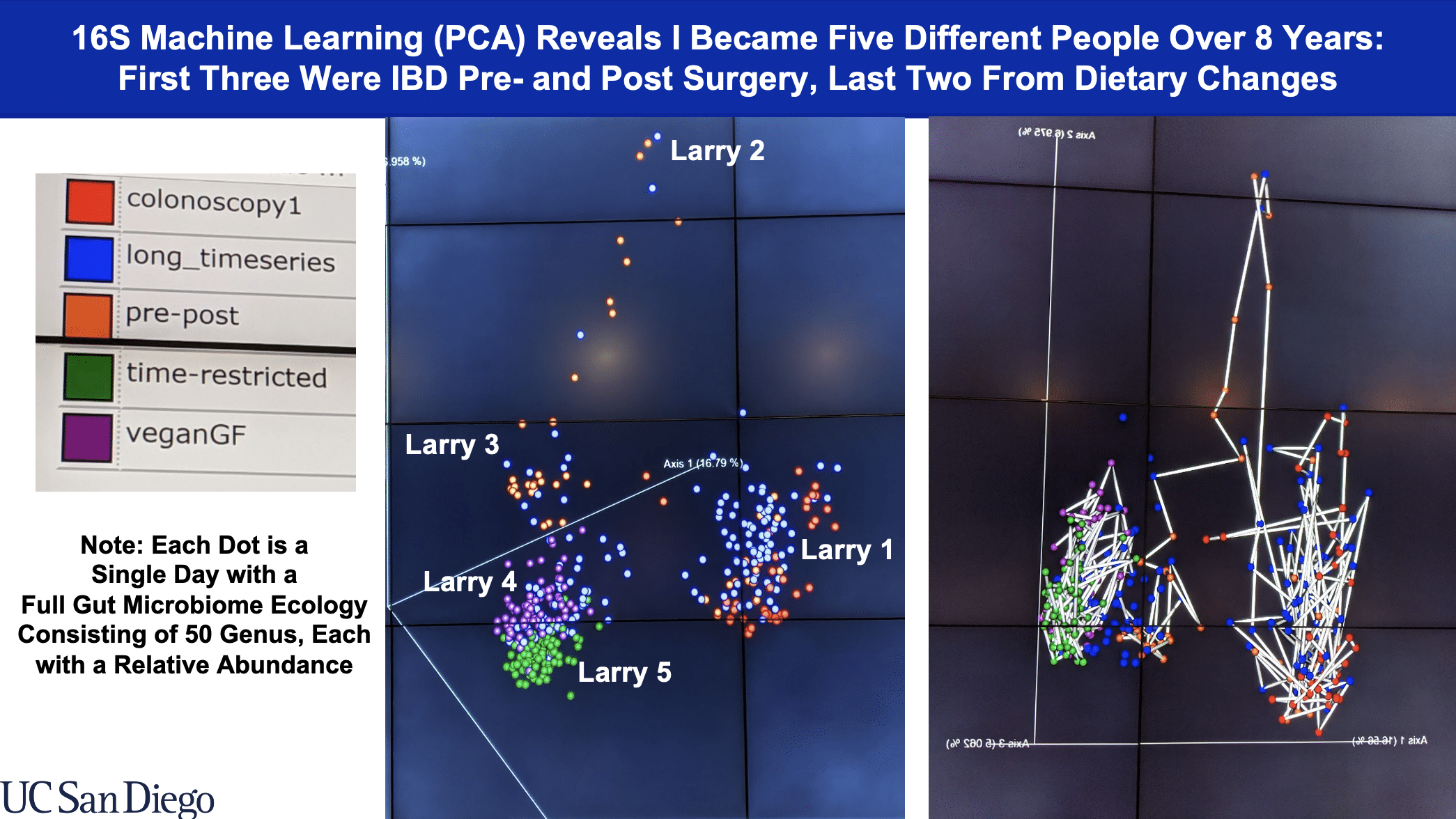
The Future Patient project — genomics, longitudinal blood biomarkers, self-tracking, and 3D surgical visualization.
 publication
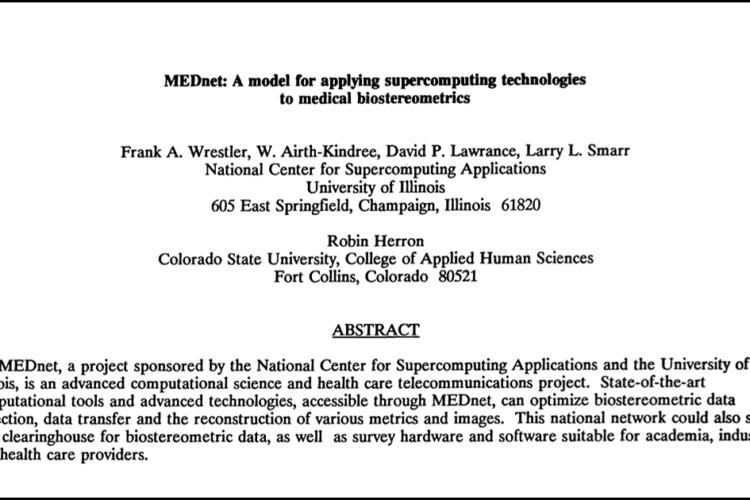
Mednet: A Model For Applying Supercomputing Technologies To Medical Biostereometrics
Wrestler, F. A., Airth-Kindree, W., Lawrance, D. P., Smarr, L. L., & Herron, R. (1989, April). MEDnet: A model for applying supercomputing technologies to medical biostereometrics. In Biostereometrics’ 88 (Vol. 1030, pp. 245-249). SPIE.
 publication
Report on the Biomedical Information Science and Technology Initiative
Prepared by the Working Group on Biomedical Computing, Advisory Committee to the Director, National Institutes of Health, (Co-Chairs, L. Smarr and D. Botstein). June 3, 1999.
 media
40/40 Vision: A Brief History On Our Wireless Future – UCSD TV
The internet is about to undergo a profound transition via wireless technologies. How will people interact with each other in this enriched internet environment? How can new forms of creativity be unleashed? And what new cultural forms will evolve?
▶ Video media
The OptIPuter Gets Real – HPC Wire
January 27, 2006 – Last week, the UCSD division of the California Institute for Telecommunications and Information Technology (Calit2) and the J. Craig Venter Institute announced that they would collaborate to decipher the genetic code of the world’s marine microbiological communities.
 media
Calit2: Wireless health to drive preventative medicine – MobiHealthNews
Smarr said he’s pushing the digital transformation of healthcare along with similar transformations in energy, the environment and “our culture” itself.
 publication
How I Improved My Health By Changing My Eating, Exercise, And Stress Management Habits: An Annotated Reading List
Larry Smarr, Requested by Mark Anderson, CEO Strategic News Service For Distribution to the Future in Review 2011 Attendees
 publication
Quantified Health: A 10-year Detective Story Of Digitally Enabled Genomic Medicine
Larry Smarr, with commentary by Mark Anderson, published as a Special Letter in the Strategic News Service Newsletter, September 30, 2011
 publication
An Evolution Toward A Programmable Universe – The New York Times
Using this data, the planetary computer will be able to build a computational model of your body and compare your sensor stream with millions of others. Besides providing early detection of internal changes that could lead to disease, cloud-powered voice-recognition wellness coaches could provide continual personalized support on lifestyle choices, potentially staving off disease
 media
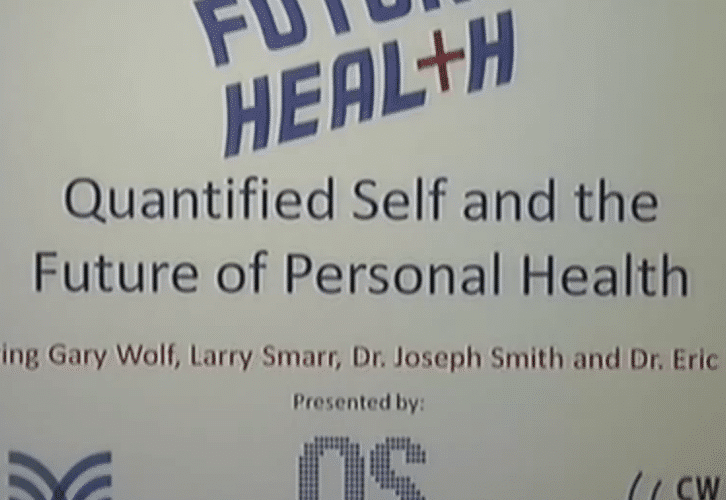
Future Health – Quantified Self and the Future of Personal Health
The local San Diego Quantified Self meetup group working in collaboration with CALIT2, the Center for Wireless and Population Health Systems, and the West Wireless Health Institute brought together great panel discussion. 02.07.2012.
▶ Video media
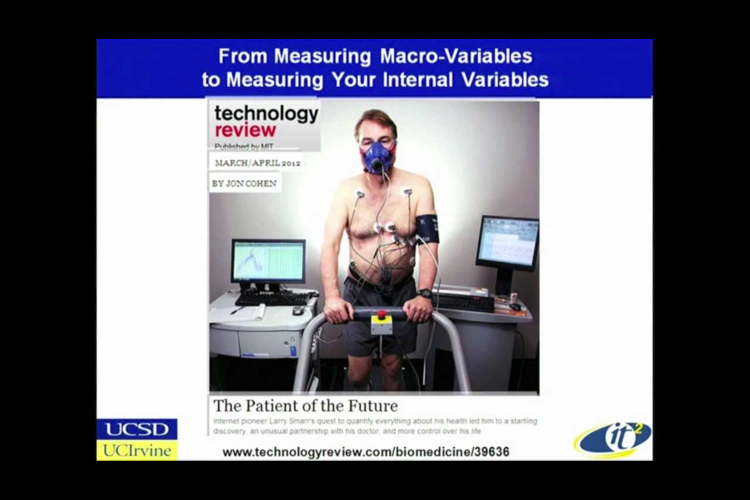
The Patient of the Future – MIT Technology Review
Internet pioneer Larry Smarr’s quest to quantify everything about his health led him to a startling discovery, an unusual partnership with his doctor, and more control over his life.
 media
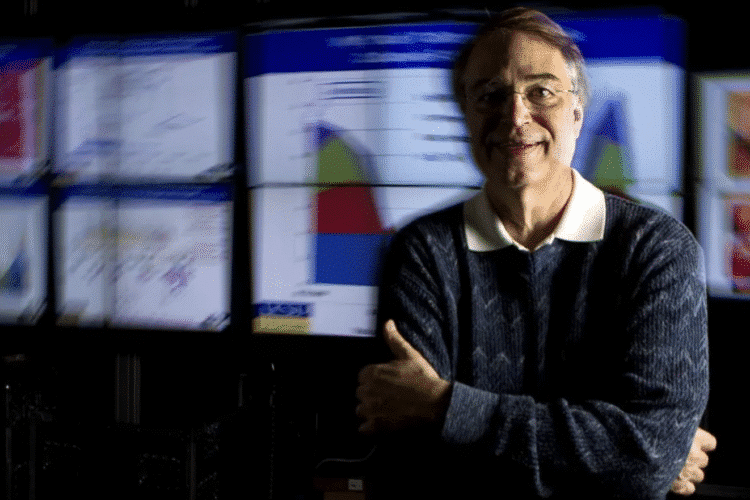
Innovator tracks everything his body does – San Diego Union-Tribune
“The bacteria in here contains more info than you’d find on a computer chip,” Smarr says. “It’s a window into your health. Within 10 years, people won’t dream of going to a doctor without first getting a sample like this.”
 media
Quantified Self – San Diego Union-Tribune
UCSD Physicist Larry Smarr explains Quantified Self and how he believes it could help lower the financial strains of health care. Video by Gary Robbins and David Brooks. 03.16.2012.
▶ Video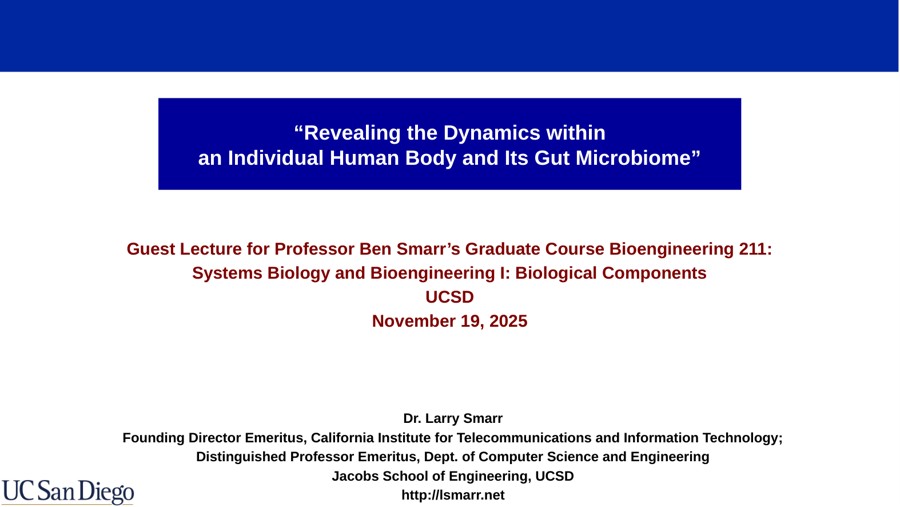
Revealing the Dynamics within an Individual Human Body and Its Gut Microbiome
Guest lecture for Professor Ben Smarr’s Bioengineering 211 course: Systems Biology and Bioengineering I: Biological Components, UC San Diego.
View slidesOpen PDF in a new tab ↗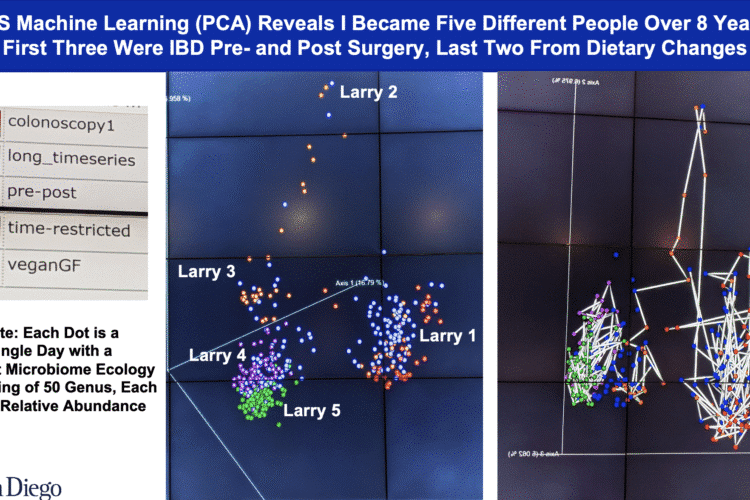 presentation
Revealing the Dynamics of an Individual’s Gut Microbiome Dynamics
Invited Seminar Gordon Lab at WashU Medicine Washington University in St. Louis May 13, 2025
▶ View slidesOpen PDF in a new tab ↗ presentationslides + video
Smart Patients, Big Data, NextGen Primary Care – NextMed Health 2025
Larry Smarr, Benjamin Smarr, Michael Kurisu NextMed Health 2025 Session 22: The Future of Care Del Coronado Hotel, San Diego
▶ Video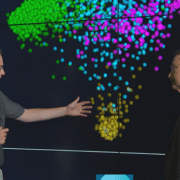 presentationslides + video
Discovering Human Gut Microbiome Dynamics
Invited Seminar Carl R. Woese Institute for Genomic Biology (IGB) University of Illinois, Urbana-Champaign May 10, 2024
 presentation
Larry Smarr’s Prostate Cancer Early Detection and Focal Therapy – Focus on Post-Therapy Time Series
UCLA Health IDx Abdominal Research Interest Group Meeting January 16, 2024
▶ View slidesOpen PDF in a new tab ↗ presentation
The Emerging Personalized Medicine Paradigm of Time-Series Tracking of Mind, Body, and Microbiome
Invited Zoom Remote Lecture For Sara Gottfried, MD Personalized Medicine for Mental Health Course Integrative Psychiatry Institute.
▶ View slidesOpen PDF in a new tab ↗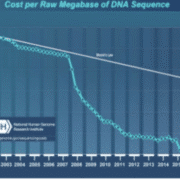 presentation
How Do I Quantify My Body and Try to Improve its Health?
Talk to Metagenics. June 18, 2019.
▶ View slidesOpen PDF in a new tab ↗- presentation
How Do I Quantify My Body and Try to Improve its Health?
Talk to Metagenics, June 18, 2019
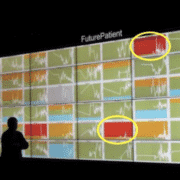 presentation
Data Science and the Clinical Quantified Self
Precision Medicine in Gastroenterology and Hepatology 13th Annual Research Symposium of the UCSD Division of Gastroenterology University of California San Diego June 7, 2019
▶ View slidesOpen PDF in a new tab ↗ presentationslides + video
Quantifying The Dynamics of Your Superorganism Body Using Big Data Supercomputing
2014-15 Distinguished Lecturer Series Computer Science and Engineering Department University of Washington Seattle, WA
 presentationslides + video
The Human Microbiome and the Revolution in Digital Health
The human body is host to 100 trillion microorganisms, ten times the number of cells in the human body and these microbes contain 100 times the number of DNA genes that our human DNA does.
 presentationvideo
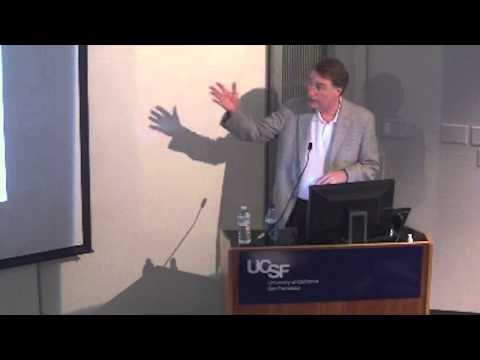
UCSF Lecture – Quantifying the Time Progression of a Human Autoimmune Disease using Genome Sequencing and Supercomputers
Quantifying the Time Progression of a Human Autoimmune Disease using Genome Sequencing and Supercomputers University of California, San Francisco San Francisco, CA Sponsor: Institute for Computational Health Sciences Co-sponsor: California Institute for Quantitative Biosciences (QB3). 12.03.2013.
 presentationslides + video
Can you coordinate the dance of your body’s 100 trillion microorganisms? TEDMED 2013
TEDMED (2013)
▶ Video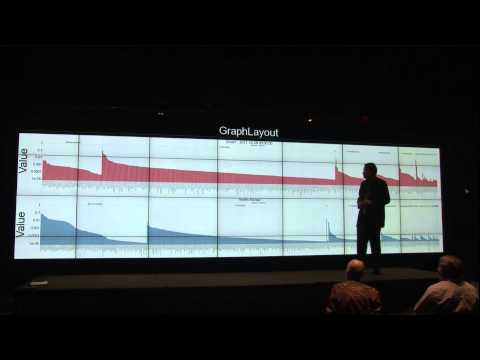 presentationvideo
Larry Smarr Health Data Demo
Larry Smarr Health Demo in Calit2 VROOM on January 28, 2013.
 presentationvideo
You are a Superorganism: Larry Smarr at TEDxYouth@SanDiego 2012
Smarr encourages us to resist advertising messages, think for ourselves and learn the truth about our bodies.
▶ Video- presentationslides + video
Towards Digitally Enabled Genomic Medicine
Distinguished Lecture Series Department of Computer Science and Engineering UC San Diego
 presentationvideo
Larry Smarr, 2012 GET Conference
Annual GET Conference events are organized by PersonalGenomes.org, a 501(c)(3) charitable organization whose mission is to help make genomes useful for humankind.
▶ Video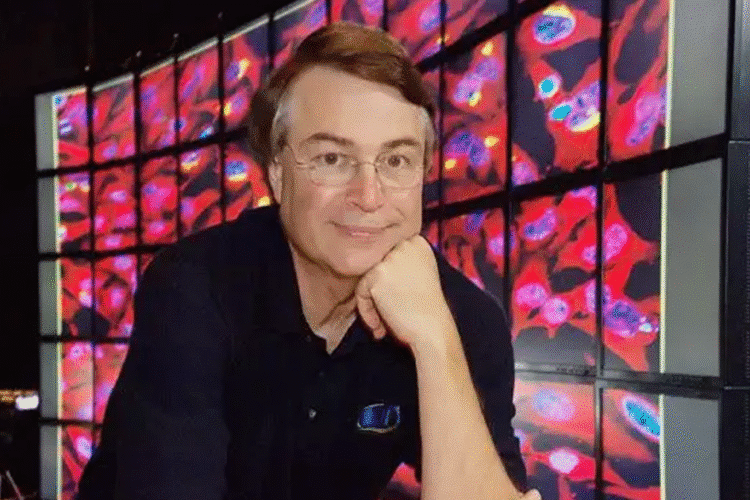 media
Computing pioneer Larry Smarr and his quantified self – BoingBoing.net
June 22, 2012 I have the opportunity to chat with Larry with some frequency as he’s on the advisory board of Institute for the Future where I’m a researcher. I’m always intrigued by Larry’s stories of his quantified self practices. For years, Larry has been examining his own body at a very high resolution by […]
 media
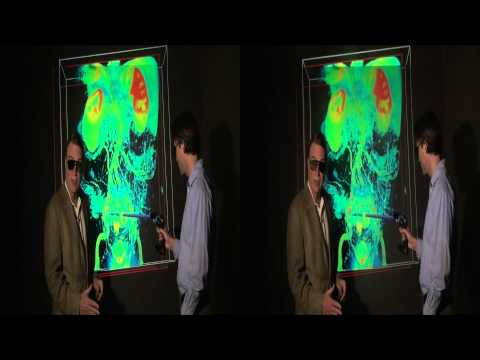
Larry Smarr Quantified Health 3D
Larry Smarr discusses his efforts in the quantified self movement in this 3D clip shot in the Calit2 StarCAVE virtual reality environment.
 media
The Measured Man – The Atlantic
Larry Smarr, an astrophysicist turned computer scientist, has a new project: charting his every bodily function in minute detail. What he’s discovering may be the future of health care.
 publication
Quantifying Your Body: A How-to Guide From A Systems Biology Perspective – Biotechnology Journal
Biotechnology Journal. pages 980 – 991. (2012).
 media
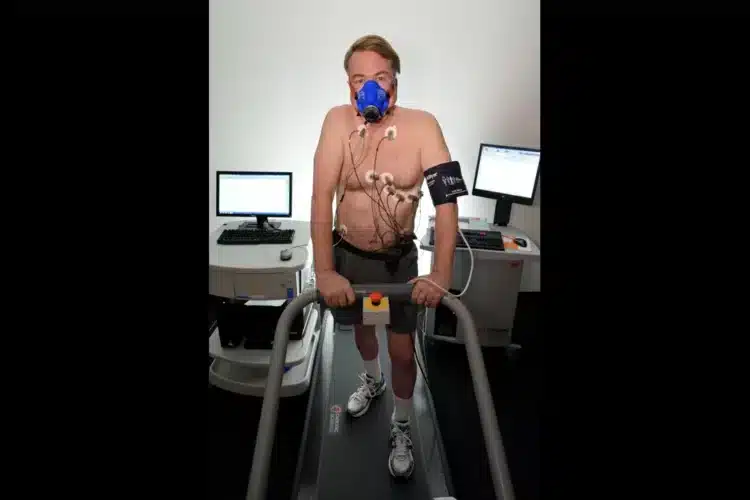
Tracking your body with technology – CNN
“I am trying to respect my doctor by doing my part of the homework,” said Smarr, 63, of La Jolla, California.
 media
The Human Laboratory: One Researcher’s Quest to Personalize Medicine with Larry Smarr
Larry Smarr talks with Mark Bowden about the drive to understand everything about his own body and how that kind of knowledge will become standard in the future. 11.26.2012.
▶ Video media
Larry Smarr: Where There Is Data There Is Hope – Quantified Self
“I never thought I would be getting into this business.” This is the first sentence in a mind-expanding talk by Larry Smarr about his self-tracking journey.
 media
The Quantified Computer Scientist: Larry Smarr on the Future of Medicine – Vox
Cast across the screens are Smarr’s insides, or at least the closest you can get when breaking down the microbiology of a human body into data. There are some 150 variables in boxes color-coded against their divergence from the norm
 media
Mind Brain Genome Microbiome: Conversation with Deepak Chopra
Deepak Chopra interviews Dr. Larry Smarr. We discussed everything from the origins of life, life in the universe, consciousness, mind brain genome, environment and the science of epigenetics. 04.23.2014.
▶ Video media
From Quantified Self to Personalized Medicine – HPC Wire
November 6, 2014 – The University of Washington Computer Science and Engineering Distinguished Lecture series recently welcomed Calit2 luminary Larry Smarr to speak on a very interesting topic, bringing wellness into the digital age.
 publication
Toward More Transparent And Reproducible Omics Studies Through A Common Metadata Checklist And Data Publications – OMICS A Journal of Integrative Biology
Eugene Kolker, Vural Ozdemir, Lennart Martens, William Hancock, Gordon Anderson, Nathaniel Anderson, Sukru Aynacioglu, Ancha Baranova, Shawn R Campagna, Rui Chen, John Choiniere, Stephen P Dearth, Wu-Chun Feng, Lynnette Ferguson, Geoffrey Fox, Dmitrij Frishman, Robert Grossman, Allison Heath, Roger Higdon, Mara H Hutz, Imre Janko, Lihua Jiang, Sanjay Joshi, Alexander Kel, Joseph W Kemnitz, Isaac S Kohane, Natali Kolker, Doron Lancet, Elaine Lee, Weizhong Li, Andrey Lisitsa, Adrian Llerena, Courtney MacNealy-Koch, Jean-Claude Marshall, Paola Masuzzo, Amanda May, George Mias, Matthew Monroe, Elizabeth Montague, Sean Mooney, Alexey Nesvizhskii, Santosh Noronha, Gilbert Omenn, Harsha Rajasimha, Preveen Ramamoorthy, Jerry Sheehan, Larry Smarr, Charles V Smith, Todd Smith, Michael Snyder, Srikanth Rapole, Sanjeeva Srivastava, Larissa Stanberry, Elizabeth Stewart, Stefano Toppo, Peter Uetz, Kenneth Verheggen, Brynn H Voy, Louise Warnich, Steven W Wilhelm, Gregory Yandl. Omics, Vol 18, pp 10-14. (2014).
 media
The Excrement Experiment – The New Yorker
But it was an inadvertent discovery in a stool analysis that led to Smarr’s Crohn’s diagnosis and, eventually, to a new calling: as an evangelist for an impending medical revolution, “quantified health.”
 media
The Revolution Will Be Digitized – Washington Post
Spearheaded by the flood of wearable devices, a movement to quantify consumers’ lifestyles is evolving into big business with immense health and privacy ramifications.
 media
Larry Smarr is the poster boy for wearable devices and the quantified self – The Sydney Morning Herald
May 10, 2015 Smarr, an astrophysicist and computer scientist, could be the world’s most self-measured man. For nearly 15 years, the professor at the University of California at San Diego has been obsessed with what he describes as the most complicated subject he has ever experimented on: his own body. Link to Article
- media
Health and data: can digital fitness monitors revolutionise our lives? – The Guardian
From granular microchips to voice analysis, health-tracking technology offers medical benefits but doubt persist about the quality and security of data gathered
 publication
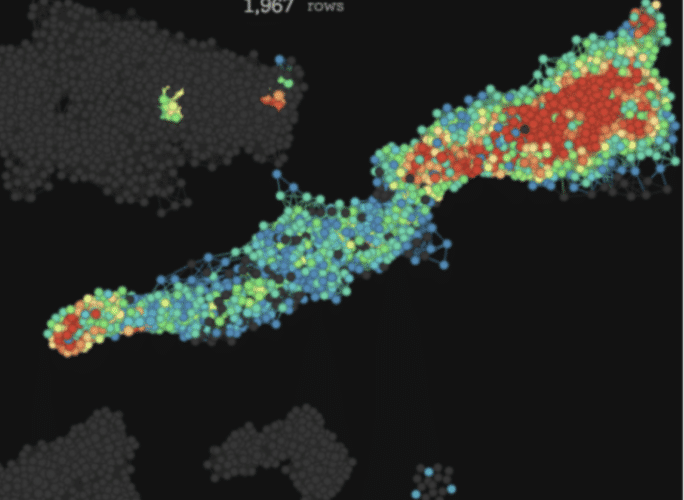
Using Topological Data Analysis to find discrimination between microbial states in human microbiome data
Mehrdad Yazdani, Larry Smarr and Rob Knight. (2016).
 media
A Public Infrastructure For Data Access – Quantified Self
Larry Smarr’s major contributions to scientific progress are well known. A physicist and the founding director of the National Center for Supercomputing Applications (NCSA), he helped bring the power of computing to scientific research at a time when computers will still highly specialized instruments.
 publication
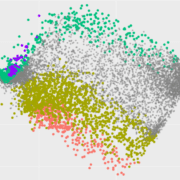
Using Machine Learning to Identify Major Shifts in Human Gut Microbiome Protein Family Abundance in Disease
Proceedings Of The 2016 IEEE International Conference On Big Data. (2016) M. Yazdani, B. C. Taylor, J. W Debelius, W. Li, R. Knight, and L. Smarr
 media
Teaching Computers to Recognize Unhealthy Guts – SDSC’s ‘Gordon’ Supercomputer Assists in New Microbiome Study
January 18, 2017 – A new proof-of-concept study by researchers from the University of California San Diego has succeeded in training computers to “learn” what a healthy versus an unhealthy gut microbiome looks like based on its genetic makeup.
 media
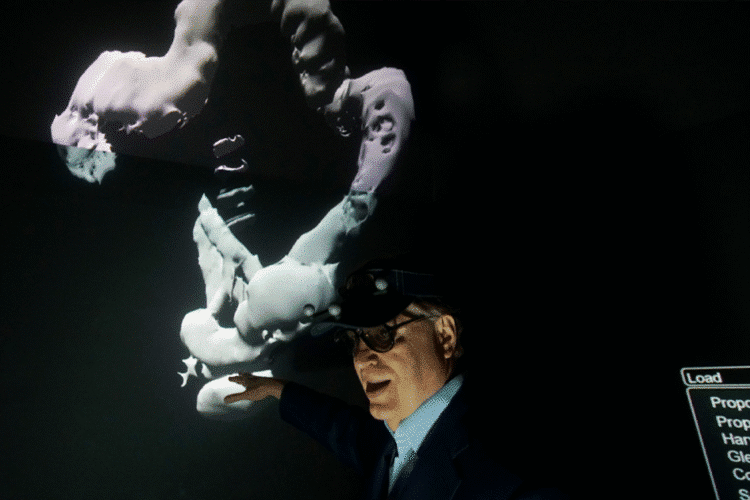
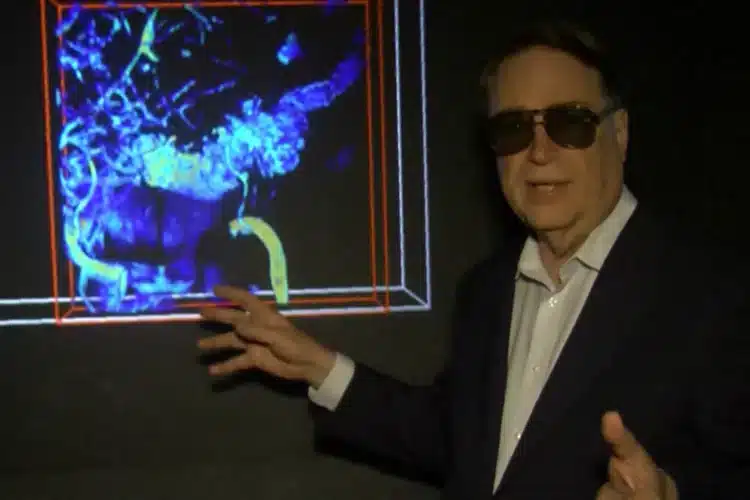
Welcome to my colon: A tech pioneer turns to virtual reality to guide his own surgery – STAT News
Spend enough time with Larry Smarr and, chances are, he’ll invite you to step inside his colon.
 media
This UC San Diego Professor Planned His Surgery In Virtual Reality – KPBS
UC San Diego’s Larry Smarr is the kind of guy who wears a Fitbit, monitors his sleep and has had his DNA sequenced. But he takes the whole self-tracking thing farther than most. He has mapped his internal organs in three dimensions. He even has a 3-D printed model of part of his colon.
▶ Video media
Look twice, cut once – University of California News
Before Sonia Ramamoorthy, M.D., chief of colon and rectal surgery at UC San Diego Health, took a scalpel to Larry Smarr, she first took a virtual tour of his large intestine. It encompassed an entire room.
▶ Video media
The Quantified Patient Checks In – IEEE
Like eight-year-olds who can’t let go of a good joke, Larry Smarr’s nurses and doctors kept coming to him with the same question: “Have you passed gas yet?” Answering this question in the affirmative is, Smarr explains, deadpan, “the state of the art in 2017 in the medical community for deciding when your colon restarts”.
 publication
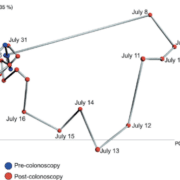
Tracking Human Gut Microbiome Changes Resulting from a Colonoscopy
L. Smarr, E. R. Hyde, D. McDonald, W. J. Sandborn, R. Knight. Methods of Information in Medicine. 56(6):442-447 (2017).
 publication
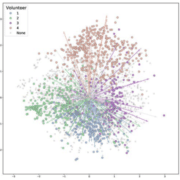
Creating a 3D microbial and chemical snapshot of a human habitat
C. A. Kapono, J. T. Morton, A. Bouslimani, A. V. Melnik, K. Orlinsky, T. Luzzatto Knaan, N. Garg, Y. Vázquez-Baeza, Iv. Protsyuk, S. Janssen, Q. Zhu, T. Alexandrov, L. Smarr, R. Knight, P. C. Dorrestein. Altmetric: Nature Scientific Reports, vol.8: 3669. (2018).
 media
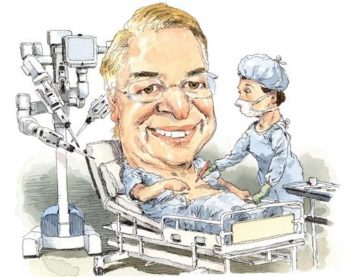
The Man Who Saw Inside Himself – The Atlantic
For years, Larry Smarr has used a supercomputer to monitor his health and peer at his organs. Recently, he used his knowledge to help direct his own surgery.
 media
FuturePatient – Larry Smarr, PhD
The full recording of computer scientist Larry Smarr presenting ten years of his personal health data on the Visualization Wall at his institute, Calit2 at UC San Diego.
▶ Video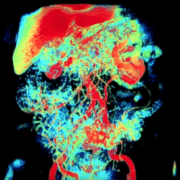 media
Future Patient/Future Doctor – Larry Smarr, PhD and Michael Kurisu, DO
Computer scientist Larry Smarr and osteopathic physician Michael Kurisu present a vision for healthcare that combines the best of allopathic and osteopathic medicine by using a more personalized, hands-on, systems-based approach to treating patients. They demonstrate this proof of concept with details on how Smarr diagnosed his own Crohn‚Äôs disease by using blood and stool […]
▶ Video media
Aspen Ideas Festival 2018 – The Man Who Saw Inside Himself
Larry Smarr believes in being the CEO of his own body, and for years, he has been measuring inputs and outputs.
▶ Video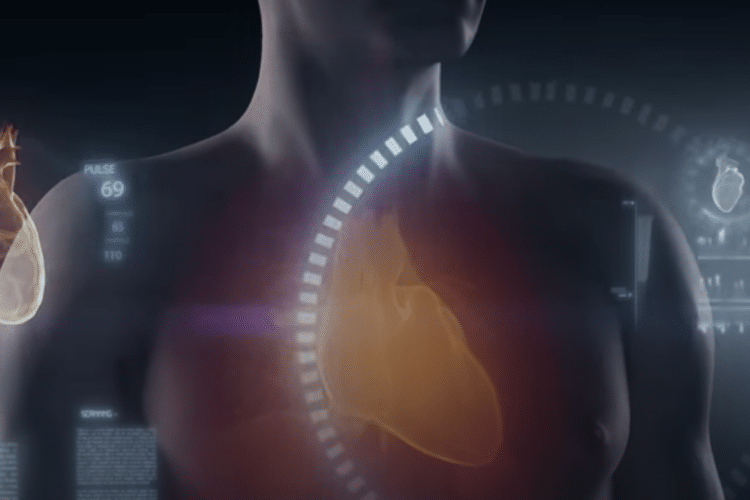 media
Will Supercomputers Create Virtual Maps of Your Body in the Future? – Seeker
Larry Smarr has been collecting 3D visualizations and detailed data on his body for almost a decade, amassing it all into a VR medical avatar of himself.
▶ Video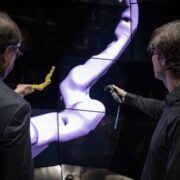 grant
3D Medical Imaging Pilot to Improve Surgical Outcomes for Patients with Crohn’s Disease
Pilot study to create a 3D Medical Imaging tool to personalize clinical decisions and improve surgical outcomes for patients with Crohn’s disease.
 publication
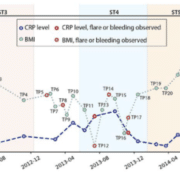
Metagenomics-Based, Strain-Level Analysis of Escherichia coli From a Time-Series of Microbiome Samples From a Crohn’s Disease Patient
X. Fang, J. M. Monk, S. Nurk, M. Akseshina, Q. Zhu, C. Gemmell, C. Gianetto-Hill, N. Leung, R. Szubin, J. Sanders, P. L. Beck, W. Li, W. J. Sandborn, S. D. Gray-Owen, R. Knight, E. Allen-Vercoe, B. O. Palsson, L. Smarr. Frontiers in Microbiology. Vol 9, article 2559. (2018).
 publication
Extracting Insights On The Dynamic Health-Disease Transitions In The Human Gut Microbiome
Smarr, Larry, Marc Jaffrey, Michael Dushkoff, Brynn Taylor, Pilar Ackerman, Mehrdad Yezdani, and Weizhong Li. “Extracting Insights On The Dynamic Health-Disease Transitions In The Human Gut Microbiome” (2018).
PDF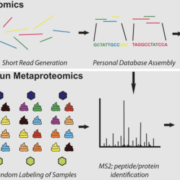 publication
Evaluating Metagenomic Prediction of the Metaproteome in a 4.5-Year Study of a Patient with Crohn’s Disease
R. H. Mills, Y. Vázquez-Baeza, Q. Zhu, L. Jiang, J. Gaffney, G. Humphrey, L. Smarr, R. Knight, D. J. Gonzalez. mSystems 4:e00337-18. (2019).
 publication
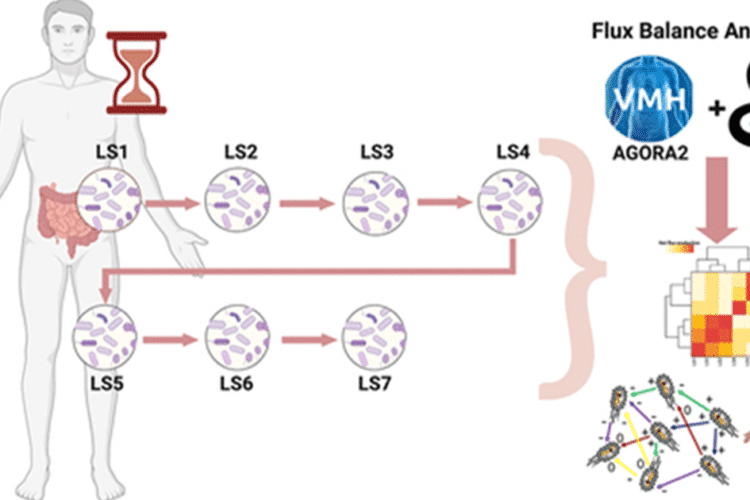
Longitudinal flux balance analyses of a patient with episodic colonic inflammation reveals microbiome metabolic dynamics
Basile, A., Heinken, A., Hertel, J., Smarr, L., Li, W., Treu, L., Valle, G., Campanaro, S. and Thiele, I., 2023. Longitudinal flux balance analyses of a patient with episodic colonic inflammation reveals microbiome metabolic dynamics. Gut microbes , 15 (1), p.2226921.
 mediavideo
Human Life Extension: The State of the Art – Future In Review
April 10, 2024 “The Technology Behind Life Extension in Action” Renowned science author and journalist David Ewing Duncan takes the FiRe audience on a very personal journey into human life extension. Experience the science of human longevity in action, with personalized-medicine pioneer Larry Smarr and Human Longevity president and chief innovation officer David Karow.
▶ Video